
The digital asset landscape is evolving at a breakneck pace, leaving traditional trading methodologies struggling to keep up with the sheer volume and velocity of modern cryptocurrency markets. As institutional capital flows into decentralized finance and Web3 applications, retail investors and seasoned day traders alike require more sophisticated infrastructure to navigate extreme market volatility. Finding a trading software that bridges the gap between complex algorithmic execution and user-friendly accessibility has historically been a challenge.
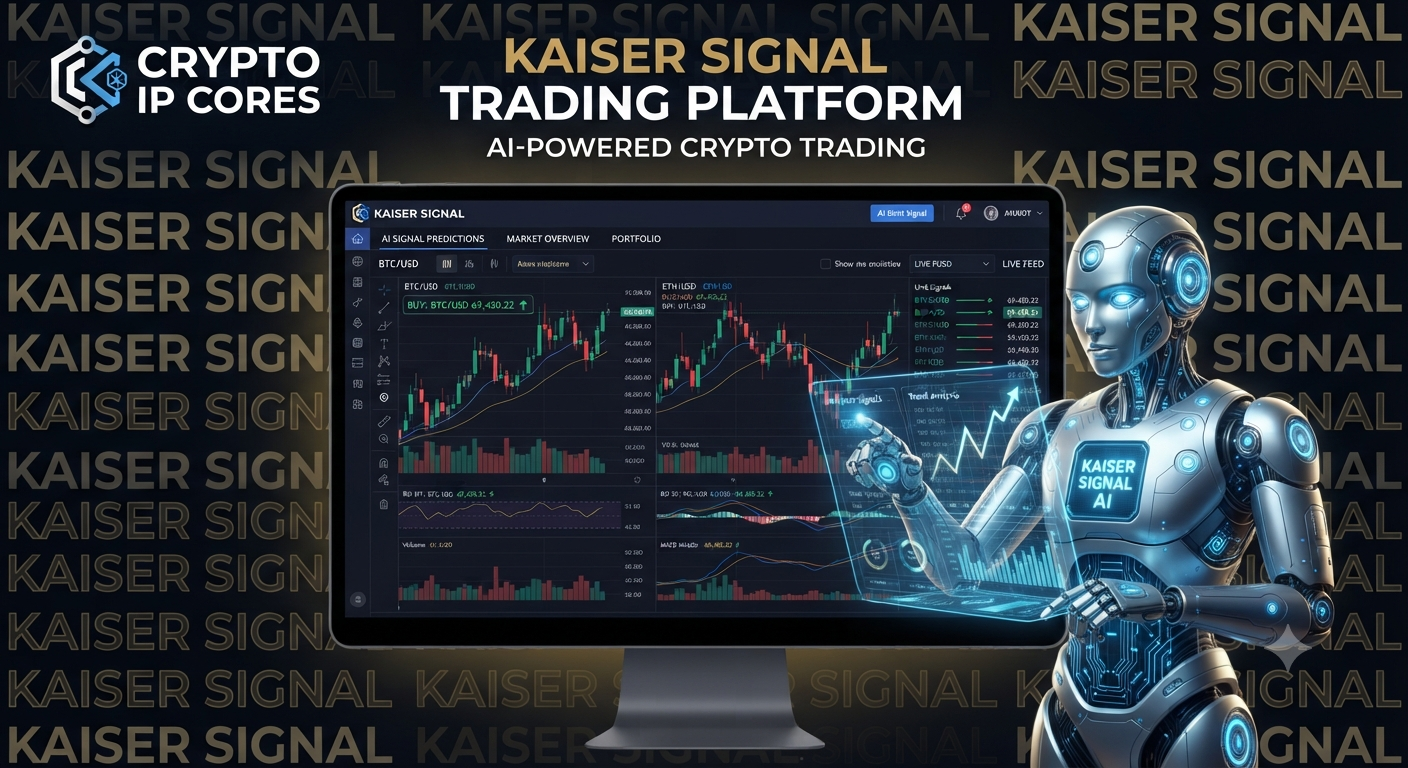
Enter Kaiser Signal, a comprehensive crypto trading system engineered to optimize trading strategies through artificial intelligence and real-time market data analysis. Promising a seamless blend of automated execution, extensive asset support, and rigorous security protocols, the software is rapidly gaining traction among digital asset enthusiasts. But in an industry fraught with hyperbolic claims and transient software solutions, does this platform genuinely offer a sustainable edge?
Understanding the Architecture: What is Kaiser Signal?
Kaiser Signal is a web-based, AI-driven cryptocurrency trading platform designed to assist users in identifying, analyzing, and executing lucrative trades across diverse financial markets. Unlike conventional exchanges that merely provide an order book and a charting interface, this system functions as an intelligent trading companion. It leverages advanced market research algorithms to scan thousands of data points per second, identifying subtle price fluctuations, volume spikes, and historical patterns that human analysts might overlook.
At its core, the software is built to accommodate two distinct types of market participants. For the novice investor, it offers fully automated trading parameters where the internal algorithm dictates entry and exit points based on pre-configured risk profiles. For the veteran trader, it provides a robust manual suite featuring high-fidelity charting tools, depth ladder explorers, and risk calculators to inform independent decision-making.
The platform does not operate as a standalone financial institution or a bank; rather, it functions as a sophisticated software layer that routes user strategies through licensed, third-party executing brokers. This structural design ensures that the software focuses entirely on predictive modeling, technical analysis, and user experience, while regulatory compliance and capital custody are managed by established financial entities.
The Mechanics of AI-Powered Market Research
To comprehend the value proposition of Kaiser Signal, one must understand how its artificial intelligence modules interpret the cryptocurrency market. Digital asset valuations are influenced by an erratic combination of macroeconomic indicators, network hash rates, decentralized application (dApp) utilization metrics, and social sentiment.
The software utilizes a multi-layered approach to market analysis:
Real-Time Pattern Recognition
The algorithmic engine continuously cross-references live price action against decades of historical financial data. By identifying classical technical patterns—such as head-and-shoulders, ascending triangles, and Fibonacci retracements—in real-time, the system can project probabilistic price trajectories. In the highly volatile crypto sector, where assets can fluctuate by double digits in minutes, this rapid pattern recognition is crucial for capitalizing on breakout momentum.
Live Trading Signals
Rather than relying on retrospective analysis, the platform generates proactive trading indicators. These signals are pushed to the user’s dashboard, highlighting specific assets that are exhibiting unusual volume or volatility. The system translates complex quantitative data into actionable insights, effectively telling the user which asset to watch, at what price point a trend reversal is likely, and where to set logical stop-loss limits to protect their capital.
Adaptive Risk Management
Algorithms are notoriously rigid, but Kaiser Signal’s architecture is designed to adapt to shifting market conditions. During periods of extreme volatility—such as a sudden market crash or an aggressive short squeeze—the system can automatically recalibrate its risk exposure. The platform includes a “risk ruler” mechanism that translates overarching risk limits into precise position sizing, ensuring that a single anomalous market event does not disproportionately impact the user’s total portfolio.
Core Features and Ecosystem Advantages
A trading platform is only as effective as the tools it provides. Kaiser Signal distinguishes itself through a comprehensive suite of features tailored for modern portfolio management.
Customizable User Interface
Cryptocurrency trading platforms often suffer from visual clutter, overwhelming new users with an array of flashing numbers and complex charting tools. Kaiser Signal has engineered a browser-based, highly customizable interface. Users can tailor their dashboards to display only the metrics that matter to their specific strategy, arranging modular widgets for order books, portfolio balances, and active signals. Because it is web-based, the software requires no cumbersome downloads and is universally accessible across desktop and mobile browsers.
The Simulated Testing Environment (Demo Account)
One of the most critical features for any financial software is the ability to backtest and forward-test strategies without risking actual capital. Kaiser Signal provides a comprehensive demo account feature. This simulated environment mirrors live market conditions, complete with realistic liquidity and price action. Users can test the efficacy of the AI signals, experiment with different leverage parameters, and familiarize themselves with the platform’s execution speed before committing their initial deposit.
Multi-Asset Portfolio Diversification
While heavily marketed toward the cryptocurrency sector, the system is not entirely restricted to digital coins. The platform architecture allows users to expand their exposure into traditional financial markets. Through its partnered brokers, users can access forex currency pairs, traditional equities, commodities, and bonds. This cross-market compatibility is vital for modern investors looking to hedge their digital asset portfolios against traditional fiat inflation or stock market downturns.
Personalized Trading Assistance
Understanding that automated algorithms cannot entirely replace human nuance, the platform offers dedicated trading assistance. This feature allows users to configure the software’s support level based on their historical trading experience and risk tolerance. The system can be programmed to act as a silent background analyst—only alerting the user to extreme anomalies—or as an active manager that independently executes trades within strict parameters.
Comprehensive Asset Support: Trading the Crypto Ecosystem
The cryptocurrency market has expanded far beyond Bitcoin. A viable automated trading system must support a deep roster of altcoins to capture sector-specific rallies, whether in decentralized finance (DeFi), Layer-1 smart contract protocols, or emerging utility tokens.
Kaiser Signal provides robust access to the industry’s most capitalized and liquid assets. Based on current platform documentation, supported cryptocurrencies include:
-
Bitcoin (BTC): The flagship digital asset and primary driver of market liquidity.
-
Ethereum (ETH): The foundational layer for smart contracts and decentralized applications.
-
Solana (SOL): A high-throughput blockchain heavily favored by algorithmic traders due to its rapid block times and scalability.
-
Cardano (ADA): A peer-reviewed protocol known for its methodical development and staking metrics.
-
Uniswap (UNI): The premier decentralized exchange token, offering exposure to the broader DeFi landscape.
The platform’s developers continually evaluate network liquidity and global trading volumes to integrate new, high-performing blockchain coins into the ecosystem. This dynamic listing strategy ensures that users are never locked out of the market’s next major narrative.
Financial Logistics: Deposits, Withdrawals, and Transparent Fees
A major point of friction in the digital asset space is hidden fee structures and convoluted withdrawal processes. Traders must understand exactly how their capital is handled, what costs are incurred per trade, and the velocity of liquidity.
Initial Capital Requirements
To activate live trading capabilities, users are required to make a minimum initial deposit of $250 (or the equivalent in EUR, GBP, AUD, etc.). It is vital to note that this $250 is not a subscription fee or a software licensing cost; it serves as the user’s foundational trading capital. This accessible entry threshold democratizes access to institutional-grade algorithmic tools, allowing retail users to test the waters without risking prohibitive amounts of money.
Payment Gateways
The platform supports a versatile array of funding options to accommodate a global user base. Capital can be deposited via major debit and credit cards, direct bank wire transfers, and popular e-wallets such as PayPal, Skrill, and Neteller.
Cost Structure and Platform Fees
Kaiser Signal operates with a highly transparent fee model. Registration for the software is entirely free, and the platform claims there are no hidden sign-up costs or recurring software subscription fees. The platform generates its revenue through referral rebates and affiliate relationships with the underlying executing brokers.
However, users must be aware that the executing brokers themselves will charge standard market fees. These typically take the form of bid-ask spreads, per-trade commissions, and overnight financing rates (if trading with leverage). Kaiser Signal includes a round-trip cost estimator tool that allows users to calculate exactly how these broker spreads will impact their break-even points on any given trade.
Withdrawal Efficiency
Liquidity access is paramount. When users generate profits or decide to liquidate their portfolios, they need swift access to their capital. Withdrawals are processed through the partnered broker holding the funds. Based on aggregated data, standard withdrawal requests are generally processed within a 24-hour window, subject to the broker’s regulatory identity checks (KYC/AML procedures).
A Step-by-Step Guide to Onboarding and Account Activation
Navigating the transition from registration to live market execution is designed to be as frictionless as possible. The developers have streamlined the onboarding funnel into three distinct phases.
Phase 1: Registration and Verification
Users begin by visiting the official Kaiser Signal web portal. The initial registration form requires basic biographical data, including a first name, last name, active email address, phone number, and country of residence. Upon submission, the system administrators evaluate the data and dispatch an activation link via email. Clicking this link authenticates the user’s communication channels and enables basic platform access.
Phase 2: Capital Allocation
Once the account is authenticated, the user must fund their portfolio to unlock live execution capabilities. Navigating to the platform’s cashier section, the user selects their preferred payment gateway (PayPal, bank transfer, credit card) and deposits the minimum requirement of $250. Financial experts universally recommend starting with this minimum baseline to gauge the software’s performance under real market conditions before scaling up investment capital.
Phase 3: Strategy Configuration and Live Trading
With capital secured, the user enters the configuration phase. Here, they can utilize the demo account to practice, or they can directly set their risk parameters for live trading. Users define their stop-loss limits, target profit margins, and select whether they want the AI to execute autonomously or merely deliver manual signals. Once the parameters are locked, the live trading module is activated, and the software begins parsing the markets.
Global Availability and Regulatory Considerations
Cryptocurrency regulations vary wildly from one jurisdiction to another, directly impacting where digital asset platforms can operate. Kaiser Signal is designed for a broad international audience and is widely accessible across numerous global regions, with notable popularity in areas like the United Kingdom and Sweden.
However, due to stringent regulatory frameworks surrounding cryptocurrency derivatives and automated trading software, the platform is geo-restricted in certain territories. Currently, the system is unavailable to residents of Cyprus, Israel, and Iran. Potential users must ensure that utilizing offshore trading software aligns with their local financial regulations and tax reporting obligations.
Security Architecture: Safeguarding Digital Capital
In an industry plagued by smart contract exploits, exchange hacks, and phishing operations, security cannot be an afterthought. Kaiser Signal approaches asset and data protection with enterprise-grade seriousness.
Because the platform does not directly custody user funds—routing them instead to heavily regulated brokers (such as the FCA-regulated IG Markets Limited in certain regions)—the risk of a centralized platform hack draining user wallets is vastly mitigated.
On the software side, the platform implements multi-factor authentication (MFA) to prevent unauthorized account access. Furthermore, the system architecture is fortified by continuous network monitoring and blockchain-augmented security protocols designed to encrypt user data and thwart emerging cyber threats in real-time. In the event of extreme, sudden market manipulation (such as a “flash crash”), the assigned broker protocols are designed to evaluate risk factors instantly and trigger emergency halts to protect user equity.
Evaluating Customer Support and Community Sentiment
Automated software requires robust human support. Whether a user is experiencing a latency issue with their dashboard or needs clarification on a broker withdrawal policy, responsive customer service is vital. Kaiser Signal advertises round-the-clock, 24/7 customer assistance. Support channels include both direct email correspondence and telephone-based assistance, ensuring that users can reach a representative during times of high market stress.
From a broader community perspective, the platform has generated a largely positive consensus across digital asset forums and review aggregators. Aggregated user testimonials highlight the platform’s ease of use and the accuracy of its market analysis, with some review platforms reflecting an average user satisfaction score of 4.6 out of 5. While user reviews in the crypto sector should always be approached with a degree of objective skepticism, the sheer volume of positive feedback indicates a stable, legitimate software infrastructure.
Pros and Cons Analysis
No trading software is without its limitations. An objective assessment requires a balanced view of where Kaiser Signal excels and where it faces operational constraints.
The Advantages
-
Intuitive Interface: The web-based design completely eliminates the steep learning curve associated with legacy trading terminals.
-
Rapid Deployment: The streamlined registration and immediate access to funding gateways mean users can go from sign-up to live trading in under an hour.
-
Technological Superiority: The integration of AI algorithms for instant market analysis gives retail traders tools formerly reserved for hedge funds.
-
Zero Banking Fees: The platform itself imposes no deposit or withdrawal charges.
-
Asset Diversity: Beyond crypto, the ability to trade stocks, forex, and commodities allows for true macro-portfolio building.
-
Risk Mitigation: Granular controls, stop-losses, and simulated demo accounts prioritize capital preservation.
The Disadvantages
-
Geographic Restrictions: Regulatory red tape prevents users in certain countries (like Iran, Israel, and Cyprus) from accessing the platform.
-
No Guaranteed Profits: While the AI is powerful, it cannot eliminate the inherent volatility of crypto. Losses are still a statistical reality.
-
Broker Dependency: Users must rely on the spreads and terms of the third-party executing broker assigned to their region, which may vary.
-
No Dedicated Mobile App: While the web interface is highly responsive on mobile browsers, the lack of a standalone iOS or Android application may deter some mobile-first traders.
Who Should Integrate Kaiser Signal into Their Strategy?
The architecture of Kaiser Signal is deliberately dual-purpose.
For new market entrants, the platform acts as a safeguard. The cryptocurrency market is notoriously unforgiving to emotional trading and poor timing. By utilizing the demo account to learn market mechanics, and subsequently relying on the automated AI parameters to execute trades, beginners can participate in the digital asset economy without needing to master complex charting theory or order book dynamics.
For veteran traders, the software acts as a force multiplier. Experienced traders understand that they cannot monitor global markets 24/7. Kaiser Signal allows these veterans to input their bespoke risk parameters and let the AI scan for specific technical setups while they sleep. The inclusion of depth ladder explorers, round-trip cost estimators, and recovery charts provides the deep quantitative data that professional traders require to optimize their margins.
Frequently Asked Questions (FAQs)
Is Kaiser Signal a verifiable and legitimate platform?
Yes. Based on extensive platform analysis and community reviews averaging 4.6/5, the system is a legitimate software layer. It does not illegally hold client money; instead, it utilizes regulated, third-party brokers to execute trades, providing an added layer of financial security.
How much capital do I need to start trading?
The platform requires a minimum initial deposit of $250. This capital acts as your trading balance, not a fee paid to the software. Users are encouraged to start with this baseline amount to test their strategies before committing larger sums.
Does Kaiser Signal guarantee a profit?
Absolutely not. No legitimate trading software can guarantee financial returns. Cryptocurrency prices are highly speculative and subject to extreme volatility. While the AI tools are designed to optimize entry points and manage risk, automated systems can still incur losses. Users should never trade with capital they cannot afford to lose.
Do I need to download heavy software to use the system?
No. Kaiser Signal operates entirely through a secure web-based interface. There is no need to download cumbersome desktop clients or standalone mobile applications. As long as you have a stable internet connection and a modern browser, you can access your dashboard from any device.
Can I withdraw my money at any time?
Yes. Withdrawals are handled by the executing broker managing your account. Generally, withdrawal requests are processed within a 24-hour timeframe, provided the user has completed all necessary identity verification (KYC) steps required by the broker.
What cryptocurrencies can I trade?
The platform supports a vast and expanding roster of digital assets, including market leaders like Bitcoin (BTC) and Ethereum (ETH), as well as prominent altcoins like Solana (SOL), Cardano (ADA), and Uniswap (UNI).
Are there hidden fees for creating an account?
Creating an account with Kaiser Signal is 100% free. The software does not charge registration fees or monthly software subscriptions. However, standard trading fees, such as bid-ask spreads and rollover costs, will be applied by the executing broker based on your trading volume.
Final Verdict and Conclusion
The cryptocurrency market of 2026 is vastly different from its early, unregulated days. Today, institutional algorithms dominate the order books, making it exceedingly difficult for manual retail traders to capture consistent margins. In this high-stakes environment, utilizing advanced software is no longer a luxury; it is a tactical necessity.
Kaiser Signal successfully bridges the divide between institutional-grade algorithmic analysis and retail accessibility. By combining an exceptionally intuitive, web-based interface with a powerful AI engine capable of real-time pattern recognition, the platform empowers users to navigate market volatility with calculated precision. The inclusion of a risk-free demo environment, diverse cross-market asset support, and a transparent fee structure free of hidden software costs makes it a highly attractive proposition.
While users must remain vigilant regarding the inherent risks of leveraged digital asset trading, and understand that no system guarantees profitability, Kaiser Signal equips the modern trader with a formidable arsenal of analytical tools. For investors seeking to automate their Web3 portfolios, streamline their market research, and execute strategies with unemotional accuracy, Kaiser Signal represents a legitimate, highly capable, and robust trading solution.